03/02/2026
Supporting heart health through food and connection
February is National Heart Month, and it’s a good moment to pause and think about what helps people feel well day to day. For older adults, heart health is closely tied to confidence and independence, from having the energy to join in with activities to feeling steady on their feet. The good news is that supportive changes can be simple. Familiar, balanced meals and everyday opportunities to move and connect can all help build healthier routines.
What is National Heart Month?
Led by the British Heart Foundation, National Heart Month shines a light on conditions linked to cardiovascular disease and the steps that can lower risk. That might mean choosing heart-healthy food more often, building gentle movement into the day, and making space for shared moments that lift mood and motivation. It’s not about perfection, but making heart-healthy choices feel natural and part of everyday life. Here at White Oaks, we make sure that National Heart Month forms a talking point for all our residents. We share top tips to help keep residents informed on heart health, along with vital information on what to do in an emergency.
Heart-healthy food that feels like home
At White Oaks, we focus on food that feels familiar and enjoyable, while still being carefully balanced. We find that healthy eating works best when it suits real routines and real tastes. For residents living with a heart condition, our dietitians often recommend:
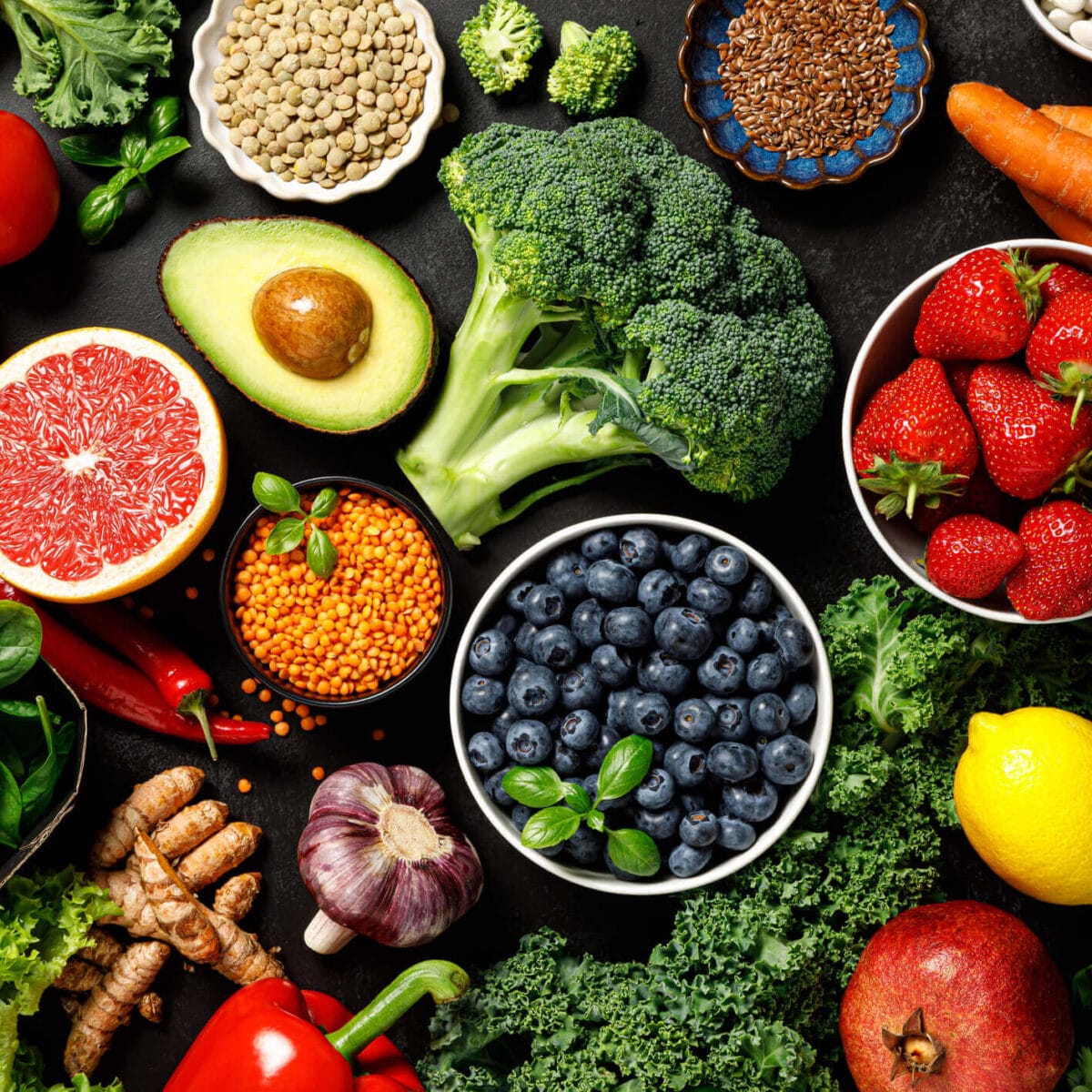
- Adding more fruit, vegetables, whole grains and lean proteins. These foods provide vitamins and minerals and most importantly fibre, which helps support healthy cholesterol levels and overall heart health. Lean proteins also help maintain muscle strength and energy.
- Reducing saturated fat, trans fat, and salt where possible. Choosing homemade meals instead of processed foods, and flavouring dishes with herbs, garlic and lemon rather than extra salt, are practical strategies that can support heart health.
- Including healthier fats such as nuts, seeds, avocado and oily fish. These foods can help maintain healthy cholesterol levels. Oily fish adds an extra benefit as it contains omega-3 fats, which are known to be beneficial for the heart.
Making movement feel manageable
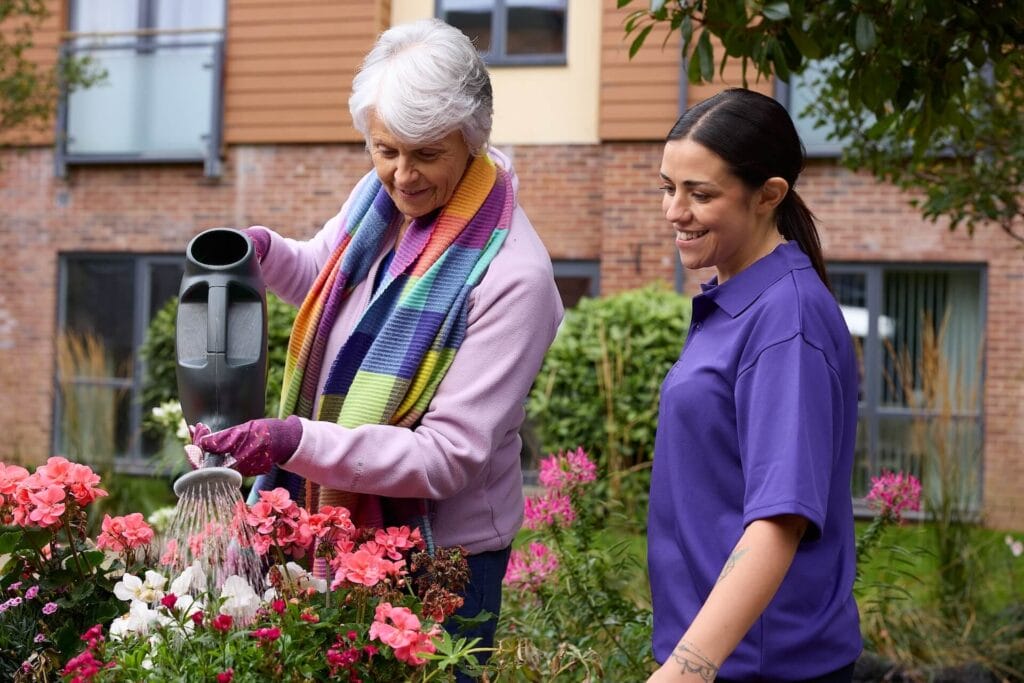
Looking after heart health isn’t only about what’s on the plate. Movement matters, and it doesn’t have to mean intense workouts or anything that feels daunting. Gentle activities can help residents maintain strength and balance, support mobility and build confidence in everyday routines. It can also boost energy levels and help people feel more like themselves. In senior living communities, it’s often the small, regular moments that make the biggest difference. A short walk, a stretch session or joining in with light group activities can all support heart health over time. The aim is to make movement feel enjoyable and achievable, so it becomes part of the day in a way that suits each resident.
Boosting confidence through connection
Connection matters too. Shared experiences can lift mood, create routine and help residents feel part of something. When people feel supported and included, it’s often easier to stay engaged with healthy habits. That’s one of the reasons why we encourage social eating across our senior living communities, so mealtimes feel relaxed and enjoyable. Alongside this, our resident engagement programmes bring people together in ways that feel natural and welcoming, whether that’s through a friendly activity, a shared project, or simply time spent chatting and laughing with others.
Bringing heart-healthy support to your setting
We support senior living communities to promote heart-healthy routines through food, movement and connection. If you’d like to chat about how this could work in your setting, we’d love to hear from you.

Recent Articles


10/08/2026



 Site by