
Encouraging Connection with Social Dining

Encouraging connection with social dining: how sharing meals mitigates loneliness
The older population in the UK is growing exponentially. Figures from the ONS show that the number of people aged 85 and over is projected to double in the next 25 years, and while many older people have busy and sociable lives, over a quarter of a million older people in England regularly go a week without speaking to a friend or family member.
But the effects of loneliness go beyond social isolation; it’s been linked with accelerating frailty and greater risk of physical and mental illness, driving a 32% increase in risk of stroke, and a 25% rise in risk of dementia.
So, what’s dining got to do with it? We caught up with three key members of the team here at White Oaks to find out. Keep reading for insights from our Dietitian, Valentina Giannelli, Marketing Manager, Surupa Mccall, and Operations Director, Steve Munro.
Why do shared mealtimes matter?
Firstly, shared mealtimes can help to foster accountability when it comes to eating proper meals. As the BDA points out, “socially isolated older people often experience reduced appetite, eat fewer meals in a day and have a lower intake of protein, fruits and vegetables in their diet.” And with less motivation to shop, cook and eat, malnutrition becomes more likely.
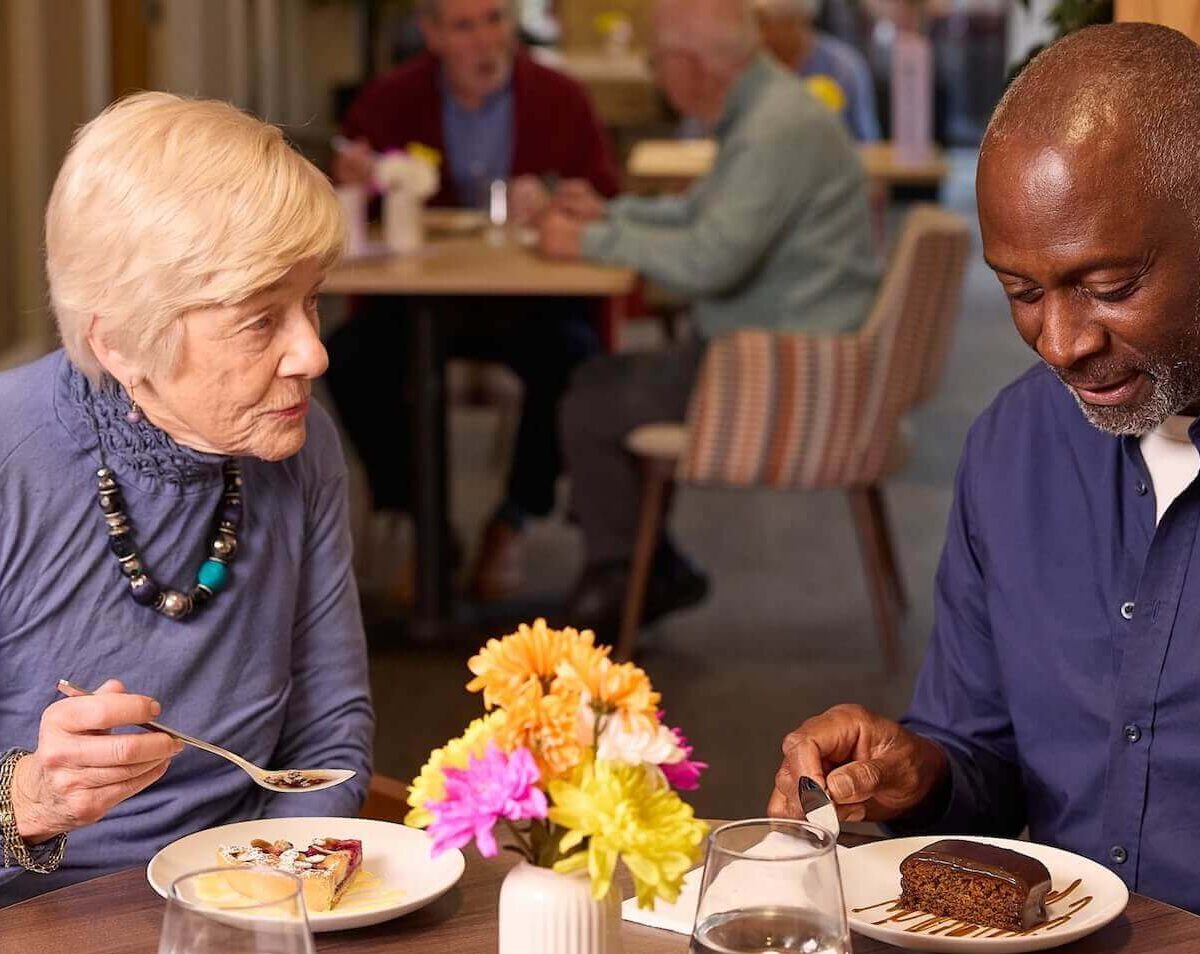
Food is also a natural way to bring people together, and mealtimes are an important opportunity for older people to talk, connect and build relationships with others. In senior living settings, shared meals are one of the most important parts of the day, helping to create a sense of connection and community. But how can we find new ways to bring senior adults together at mealtimes?
Finding opportunities for social dining
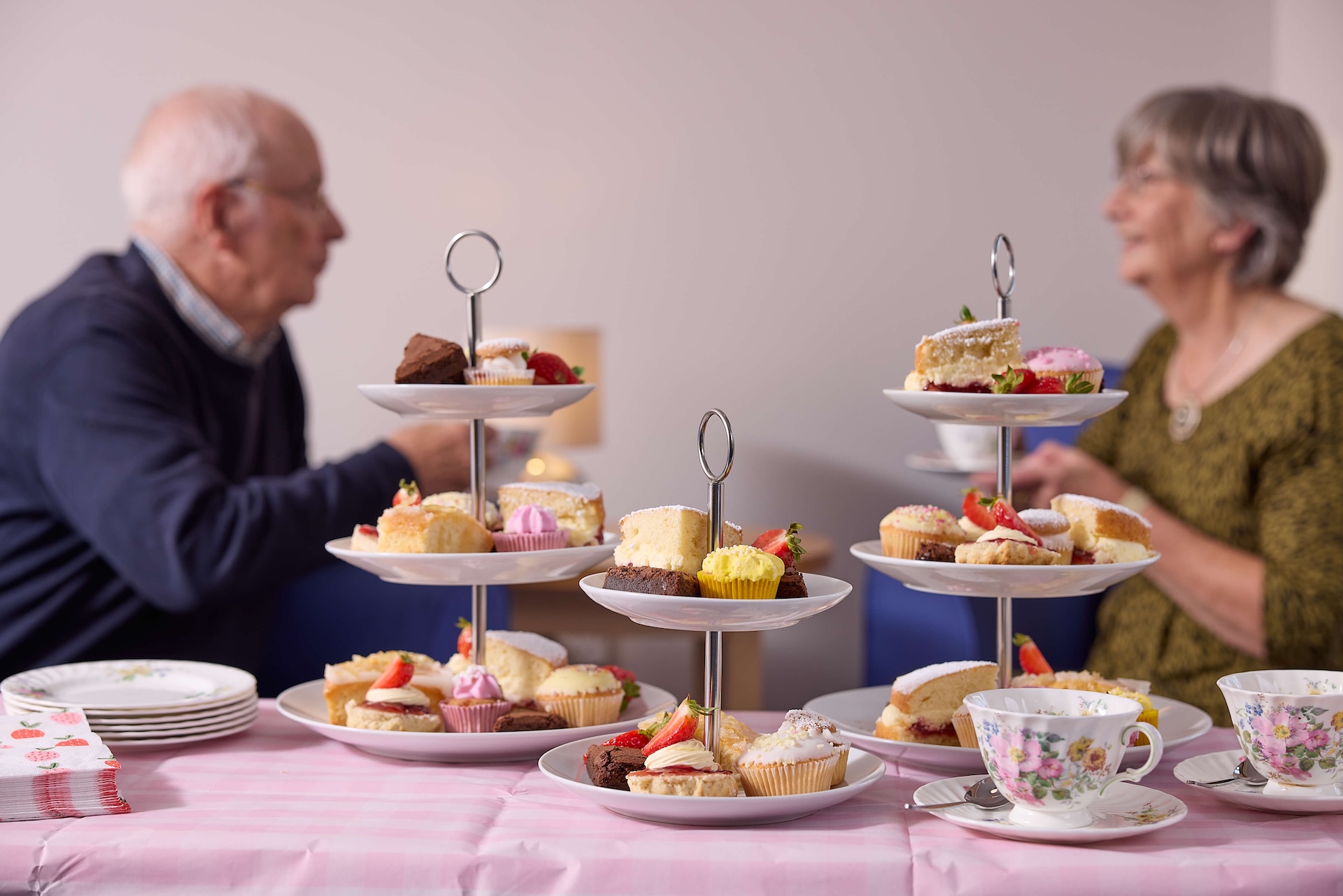
For starters, our team advocates for incorporating formats that encourage more social interaction than traditional sit-down dinners. “Afternoon tea, barbecues, picnics and sharing plates all work well because they each make food feel like a shared experience and provide a natural reason for people to come together.”
Making those formats as relevant to guests as possible also encourages participation. “It’s important to find those occasions that actually reflect the interests and preferences of the residents. Asking residents what they’d like to celebrate, eat or try makes the experience much more meaningful.”
Research from the University of Oxford found that people who eat with others more often are happier and more satisfied with life. They’re also more trusting, more involved in their local communities and have more friends to rely on for support. But our team says the environment has a part to play too. “A relaxed, family-style approach to dining can help create opportunities for social interaction, with comfortable seating and good lighting helping to create a welcoming environment. Minimising background noise can ease conversations too.”
At White Oaks, our staff have an important role in starting conversations and encouraging residents to participate in the meal. Special occasions and themed mealtimes can also provide a welcome change from routine. Through meals like this, we aim to create opportunities for conversation and give people the chance to reminisce or share memories and experiences.
Shaping an inclusive environment
Moving into a care home or senior living can be a difficult change for older adults, especially those used to more independence, living with family or simply missing their own home. That’s why we work closely with each home’s team to gently introduce new residents to their surroundings and the people around them. Our aim is to help them feel welcome, comfortable and included, without any pressure.
This usually involves taking time to get to know new residents, asking about their lives and interests and showing them around the home. We make a specific effort to introduce them to the dining room, explaining the menu and making sure they’re aware of any upcoming activities and themed days.
What can care home and retirement village catering teams do to help?
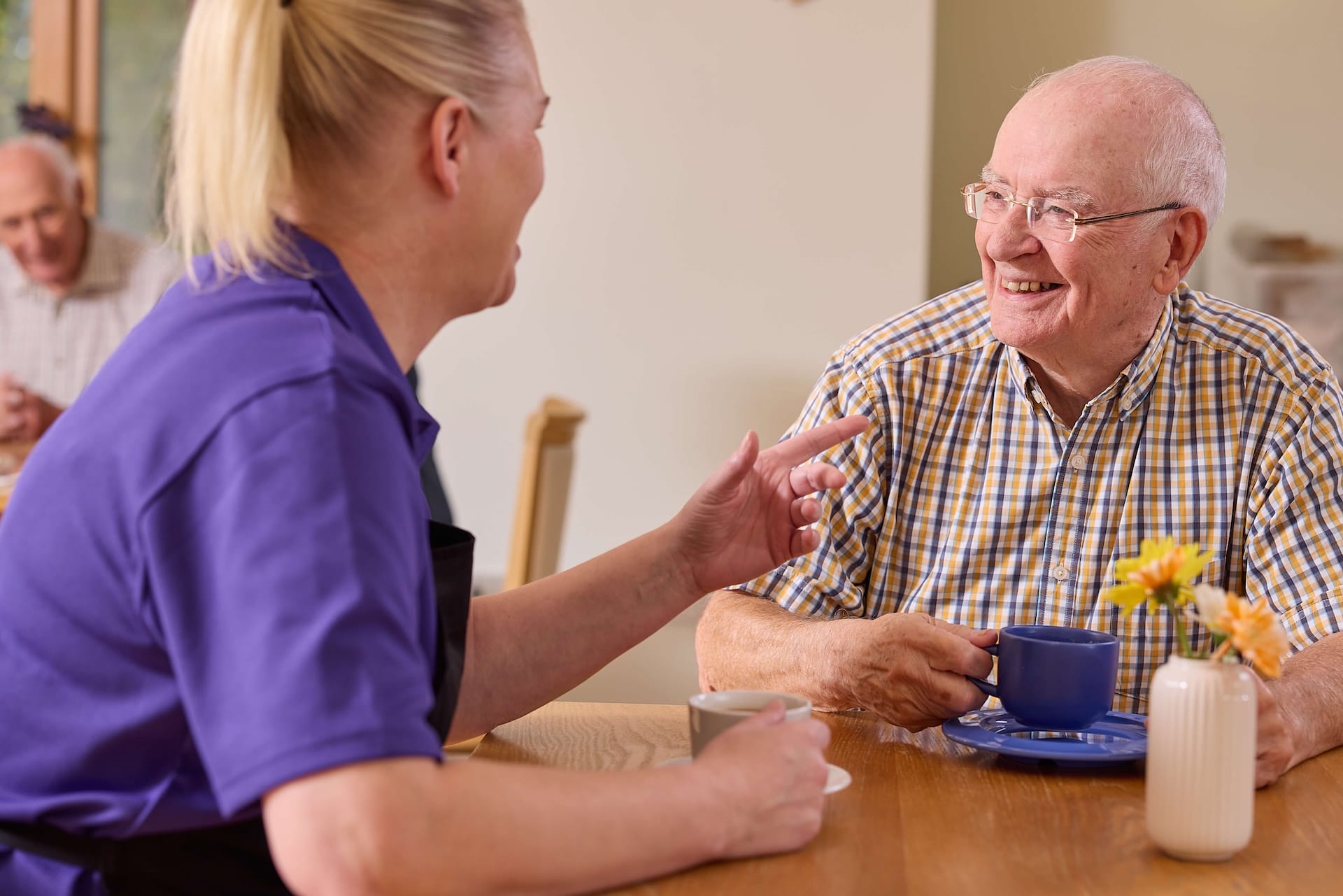
Some residents are shy, or they might be dealing with a bereavement or experiencing loneliness. Catering teams can make a real difference by being patient and sensitive, building trust through friendly, regular conversations and gently inviting residents to meals and social activities.
As our team says, “Ultimately, it’s about building relationships, making residents feel like they belong and ensuring they know they’re always welcome to join in, while respecting their choice if they prefer not to.” Similarly, catering teams can also make residents feel heard by asking for their feedback and making changes where they can.
Alongside this, we believe teams should always aim to facilitate eating with friends and family, through events like Sunday roasts or special birthday celebrations. These occasions help residents to maintain important relationships and bring a sense of normality that makes senior living settings feel more like home.
Bringing people together, one meal at a time
With a direct line between loneliness and malnutrition, we know that mealtimes are about more than just sustenance. In a senior living setting, they can be the most social part of the day: a chance to chat, remember old traditions and feel like part of a community. Creating those moments takes care, with a welcoming dining room, menus shaped by what residents enjoy, gentle encouragement for reluctant guests and a team that understands why the dining experience matters.
Good retirement home food is the starting point, but it’s the people and the atmosphere around it that make the real difference. At White Oaks, this is how we approach every service, from retirement village catering to care homes and hospices.
Want to talk about how mealtimes could bring your residents closer together? We’d love to hear from you.
Recent Articles



10/08/2026
 Site by