
10/08/2026
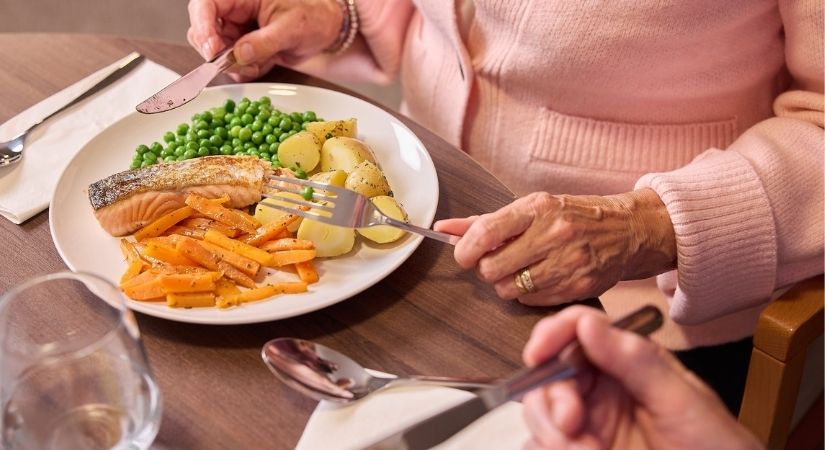
Good food has the power to do more than just satisfy hunger. Across the senior living sector, every meal is a chance to support health, maintain independence and bring comfort through familiar flavours and shared moments.
In our latest blog, our Dietitian, Valentina Giannelli, shares insights into how practical digital solutions are helping providers take a more personalised approach to nutrition and dining in later-life care.
Why nutrition matters more for seniors
A balanced diet is important at every stage of life, but it becomes even more vital as we get older. Eating well helps people stay fitter and independent for longer. Senior catering plays an essential role in supporting both physical and cognitive wellbeing. But despite its importance, malnutrition and dehydration remain prevalent among older adults.
In care settings, one in two older people is at risk of malnutrition, while one in four is at risk of dehydration, simply because they don’t eat and drink well enough. This is why finding the right balance of nutrients matters so much in later life.
What are the key nutrition areas?
When it comes to supporting seniors’ health and independence, certain nutrients play a key role. Protein, hydration, calcium, fibre and vitamin B12 all help the body stay strong and healthy.
Protein, in particular, becomes increasingly essential as we get older, with needs rising by around 50% compared to younger adults. This helps maintain muscle strength, balance and mobility, while also supporting the immune system, recovery and healing.
Hydration is also key, but often overlooked. Simply encouraging regular drinks helps reduce the risk of UTIs, lowers the risk of falls and helps prevent confusion or disorientation. Fibre also helps keep the gut healthy, which can have a positive impact on everything from mood to memory. Meanwhile, calcium and vitamin B12 support bone health and help meet changing nutritional needs.
What are the challenges?
As appetite naturally decreases in later life, eating enough of the right foods can become more difficult. Smaller portions can make it harder to provide all the nutrients needed, which is why senior catering teams need to think carefully about how care home food menus are designed. The aim is to create meals that are both nutritionally balanced and enjoyable, giving residents something to look forward to.
The body’s thirst mechanism also becomes less sensitive with age. For over-65s, the recommended intake is around 3 to 3.5 pints of fluid a day, but when drinks are not appealing or part of the daily routine, it can be easy for intake to fall short. To help address this, our new Circadian Hydration range has been specifically designed to encourage fluid intake through a unique sensory approach that makes drinks more appealing to seniors.
The needs of people living in care homes are also becoming increasingly complex, with more older adults living with frailty and multiple long-term conditions. According to Age UK, around one in two older adults live with multiple long-term conditions, while 10% of people over 65 live with frailty, increasing to 50% among those aged over 85.
This is backed up by a recent report from Lakeland Dairies, which highlights the growing complexity facing care kitchens. Almost half of senior catering teams said residents’ needs are becoming more complex, while 74% expressed concerns about how best to meet them.
The focus is no longer simply understanding what people need, but finding the right ways to provide it in meals and drinks that residents will enjoy and consume. Every resident is unique, with factors such as medication, dietary requirements and cultural preferences all playing a part in creating the right approach.
What are the solutions?
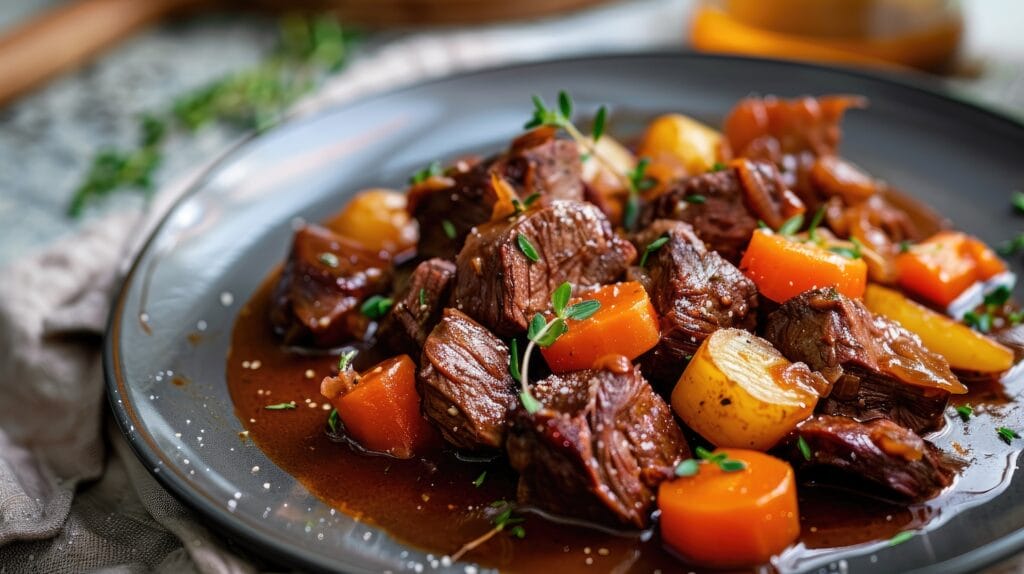
We’re always looking for new ways to support residents’ nutrition and hydration, while keeping mealtimes enjoyable and familiar. One example is the introduction of wild venison to our menus: a naturally lean source of protein that provides around 22g per 100g, alongside iron and B vitamins, with less saturated fat than equivalent cuts of beef.
The key thing here is not changing food for the sake of it, but finding ways to enhance the dishes people already know. From comforting stews and pies to classic lasagne, we’re adapting familiar favourites to provide greater nutritional value while keeping the flavours and experiences residents love.
For calcium, we incorporate nutrient-rich favourites such as rice pudding, cheesecake, and cheese with biscuits. Fortified milk and milkshakes made with skimmed milk powder also provide extra protein and calcium, while supporting hydration.
Hydration needs to be part of everyday routines too. A familiar drink at the right time, plenty of choice and gentle encouragement can go a long way in helping residents maintain their fluid intake. It’s also worth noting that liquids come in many forms, from soups and juicy fruits to teas and smoothies, all of which can top up residents’ hydration levels.
Why the dining experience matters in care settings
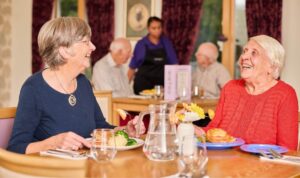
In later-life care, dining becomes an experience that nurtures both the body and mind. The way food is presented, the environment it’s enjoyed in and the choices available can all influence how residents feel about mealtimes.
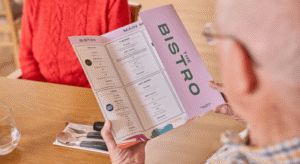
Care home food menus should be built around the people who will be eating them, balancing individual preferences with the nutrition residents need. When people enjoy their meals and feel at ease around the table, they’re more likely to maintain a healthy appetite.
How can technology support better senior catering?
The increased complexity in dietary needs can be challenging for catering teams, so as menus adapt, they must also be practical and achievable in real kitchens across senior care settings.
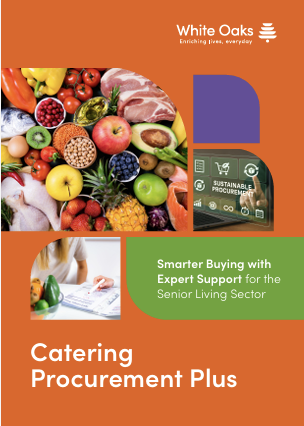
To support this, we recently launched our first procurement service, Catering Procurement Plus, in partnership with Compass’ procurement business, Foodbuy UK. By combining digital technology with the expertise of our chefs, dietitians and catering specialists, this service helps senior living teams make informed choices when planning menus.
The platform simplifies menu planning and dietary management by calculating nutritional and calorie content, flagging allergens and identifying where adjustments can be made to better meet residents’ needs.
Catering Procurement Plus helps care teams by:
- Reducing food waste through better menu planning.
- Saving valuable time by simplifying dietary management.
- Helping teams create menus that meet nutritional best practices.
- Minimising costs without the additional expense or complexity of outsourcing the service.
By simplifying behind-the-scenes processes, the platform gives teams more time to focus on the food they create and the people they support.
Recent Articles


 Site by