
27/08/2026
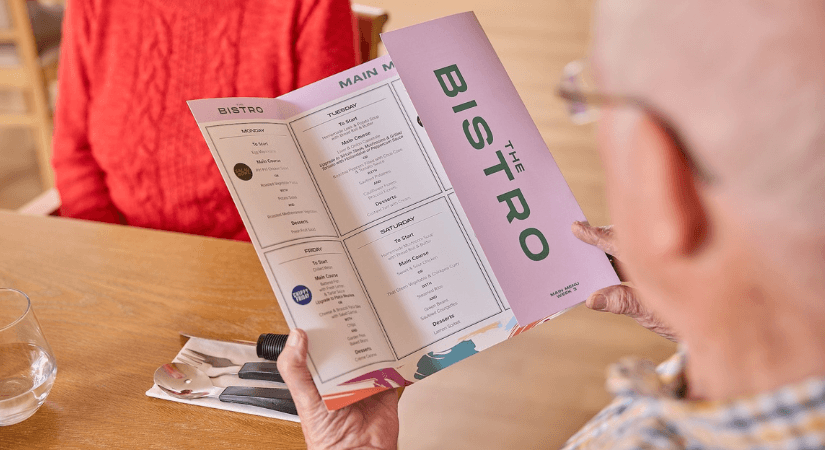
Senior catering has come a long way in recent years, evolving from a purely functional service into something that feels more personal and hospitality focused.
To find out more about this shift, we sat down with Darren Neal, our Head of Culinary, to hear his thoughts on what’s driving this change, how resident feedback shapes our care home food menus and why hospitality should be at the heart of senior living care.
Words by Darren Neal, Head of Culinary at White Oaks
There was a time when catering in care homes was largely about getting the basics right. Meals needed to be hot, nutritious and served on time. Today, there’s thankfully a much greater focus on the dining experience.
Residents and their families expect more these days, and rightly so. They want food they enjoy, more variety and a dining environment that feels warm and inviting. I believe senior catering should offer the same level of care and attention you’d expect when dining out.
For many, mealtimes are one of the best parts of the day, so it’s important we get it right. The key is listening to residents and including them in the menu development process. Menus shouldn’t be shaped by assumptions about what people might like; they should reflect the tastes and preferences of the people living there. After all, it’s their home, and they should have a say in what’s on the menu.
At White Oaks, working closely with residents is a big part of how we approach senior catering. We regularly sit down with residents to hear what they think about the dining experience, from the food and portion sizes to the service they receive.
These catch-ups give us helpful feedback to refine our care home menus, but even better, they offer an opportunity to get to know our residents on a more personal level.
The hospitality approach to senior catering
Making everything from scratch is central to our senior catering offering, giving us the flexibility to shape menus around what residents enjoy, including cultural, religious and texture-modified needs.
By listening to residents’ feedback, we know they value well-cooked, familiar and traditional dishes. A roast dinner might be a firm favourite, but we also adapt menus around individual preferences and requests. At one of our sites with a large Caribbean community, for example, we’ve introduced dishes such as jerk chicken and Caribbean stews to reflect residents’ heritage and tastes. It’s this kind of flexibility that helps us keep our care home food menus exciting as residents’ tastes and expectations change.
Some residents have IDDSI requirements too, so we adapt meals to the appropriate IDDSI format, keeping them as close as possible to the original dish so they still feel familiar. We also visit senior care settings to speak with both catering and care teams about IDDSI, helping everyone understand the process and why it matters.
Residents enjoy having plenty of choice, so we mix things up with seasonal menus and themed days throughout the year. In summer, that could mean strawberry desserts for Wimbledon or a buffet for the World Cup final. We also have fun with national days and weeks, from National Afternoon Tea Week and National Ice Cream Month to Relaxation Day. And when there’s a special occasion, we’ll often invite friends, family and the wider community to join in too.

Nourishing body and mind
Getting the nutritional balance right is essential, which is why it’s great we’re seeing a real push for healthier options from both residents and home managers.
We work closely with experts to make sure our meals meet the specific nutritional needs of people over the age of sixty. All our menus follow British Dietetic Association (BDA) guidelines, and our dedicated in-house Dietitian ensures every dish delivers the right nourishment to support vitality and health.
A positive dining experience can make a real difference to residents’ physical health, mental wellbeing and sense of belonging. When residents enjoy mealtimes, they’re more likely to eat well and feel at home. This matters beyond the dining room too, particularly when families are researching care homes and asking others for recommendations. An exceptional dining offer can be a meaningful differentiator which, in turn, drives occupancy.
Moving from catering to a hospitality-led service requires a change in mindset, and catering partners have a responsibility to help drive that change rather than simply respond to it. In senior living, catering is about so much more than food, and it’s encouraging to see the industry finally catch up.

Reach out to the team
Hospitality is what turns a care setting into a real home. If you’re looking for a more personalised and hospitable approach to senior catering, we’d love to chat.
Recent Articles



10/08/2026

 Site by