
23/07/2026

Hot weather can be uncomfortable for all of us, but for older people, a heatwave can bring more serious health risks.
As we age, the body becomes less efficient at regulating temperature, while our natural sense of thirst can become weaker. Many residents are also living with heart, lung or other health conditions, and some medications can affect fluid balance or the way the body responds to heat.
That means care homes need to think carefully about how food services for seniors can support residents during warmer weather. To find out more, we spoke to our Dietitian, Valentina Giannelli, our Head of Food, Darren Neal and our Operations Director, Steve Munro about the role that nutrition, hydration and flexible catering can play in care homes.
Why hydration needs a proactive approach
Dehydration is one of the biggest concerns during a heatwave. It can lead to headaches, dizziness, tiredness and changes in blood pressure, as well as increased confusion and a greater risk of falls. More serious symptoms, including severe confusion or a very high temperature, may require urgent medical attention.
But, as our team points out, “the first action to take is prevention.” Some older people may not recognise that they’re thirsty or find it difficult to communicate what they need, so rather than waiting for residents to ask for a drink, we make sure they’re offered regularly throughout the day. It’s always best to provide choice. Alongside jugs of flavoured water in dining areas, we provide plenty of hot and cold drinks between meals, from fruit juice at breakfast to a chocolate milkshake with afternoon tea. Food services for seniors can play a big role in hydration too. Fruit, yoghurt, jelly, soup and ice cream all have a high water content and can make a useful contribution to overall fluid intake.
Over the last few months, our Head of Food, Darren, has been busy developing a new Circadian Hydration drinks range, designed to support residents throughout the day. Visitors to our stand at the Care Show in April were among the first to get a sneak peek and sample the drinks, and safe to say, they went down a treat.
When appetite changes with the weather
Research shows that people often feel less hungry in hot weather because the body is focused on keeping its temperature down. Heavy or piping-hot meals may feel less appealing to residents, while tiredness and dehydration can reduce appetite even further.
For residents who already eat small amounts or are at risk of malnutrition, even a short period of reduced food intake can be significant. This is where responsive catering can make a real difference in care homes. During warmer weather, we offer lighter options that are still nourishing and enjoyable, including colourful salads, fresh fruit and refreshing desserts such as blackberry and apple fool and mousse.
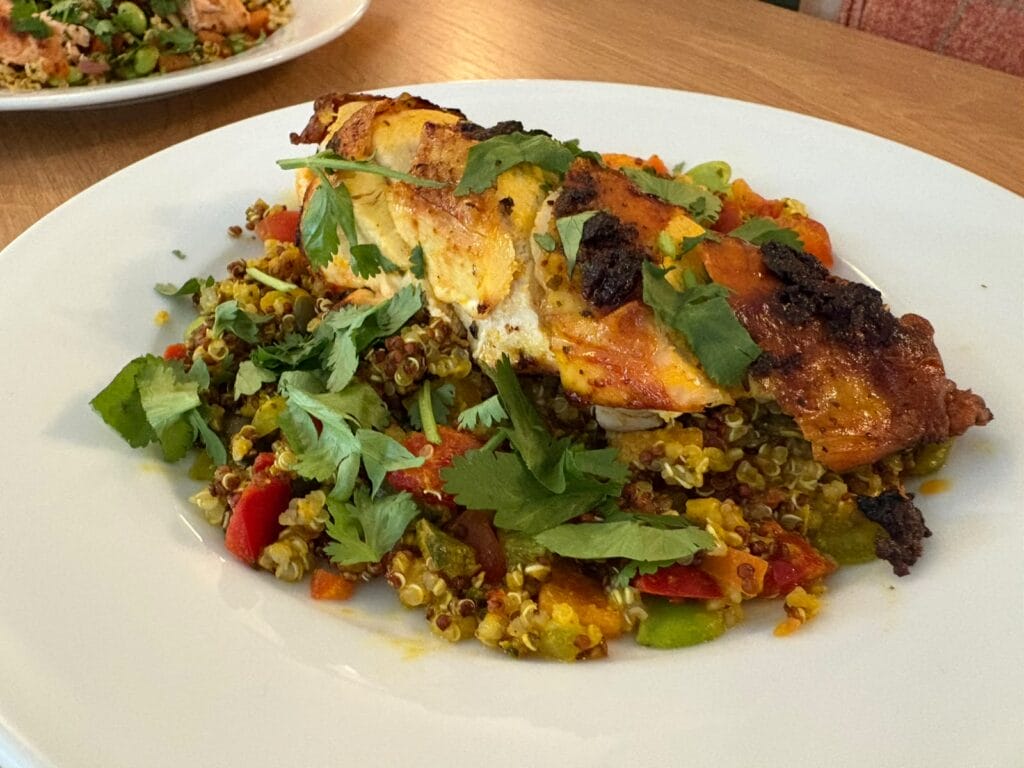
Smaller meals served more often can be helpful, as can cold but nourishing options such as fortified milkshakes. Most importantly, residents should continue to be offered foods they know and love. After all, a summer menu should feel inviting, not restrictive.
What does flexibility look like in practice?
There is no single approach that will suit every resident or every setting.
Some residents may prefer smaller portions, while others may benefit from a cold alternative or a change to the usual meal timing. Our approach to catering in care homes and other senior living settings always involves working closely with our partners to understand what their residents need.
As our team explains, “when extra support or adjustments are needed, we’re always happy to help.” Whether that means adapting a menu, reviewing the timing of a meal or offering extra support, our aim is always to help residents feel safe and comfortable.
What hot temperatures mean for kitchens
Of course, warmer temperatures don’t only affect residents. They can create extra challenges behind the scenes too, particularly in busy kitchens where fridges and freezers may have to work harder than usual.
“Hot weather makes it more important than ever to follow stringent food safety practices,” our team notes. That includes checking equipment more frequently, storing deliveries promptly and avoiding leaving food at room temperature for any longer than necessary.
We continue to keep chilled food at 5°C or below and hot food at 63°C or above, while maintaining the same high standards of cleaning and personal hygiene we follow throughout the year. Working closely with our partners and experienced care home food suppliers helps us make sure residents can continue to enjoy safe, high-quality meals, even when temperatures rise.
Looking after our catering teams in care homes is part of this approach too. We encourage everyone to drink regularly, take breaks where possible and report any concerns about refrigeration or ventilation straight away. By staying alert and making thoughtful adjustments throughout the day, we can continue to provide catering in care homes that is nourishing and enjoyable, whatever the weather.

Let's chat
Want to learn more about how our food services for seniors can help to support care home residents during heatwaves?
Reach out to our team and we’ll be in touch shortly.
Recent Articles



10/08/2026

 Site by